
Tape Formats:
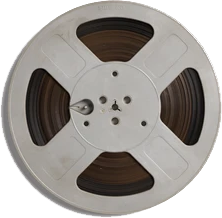
1/4” Reel to Reel Tape
If your tape is housed in plastic reels, chances are it’s a 1/4” tape. Commonly recorded as 2 or 4 tracks, at speeds of 3 3/4, 7.5, or 15 ips. Check for details recorded on the box (if it’s available).
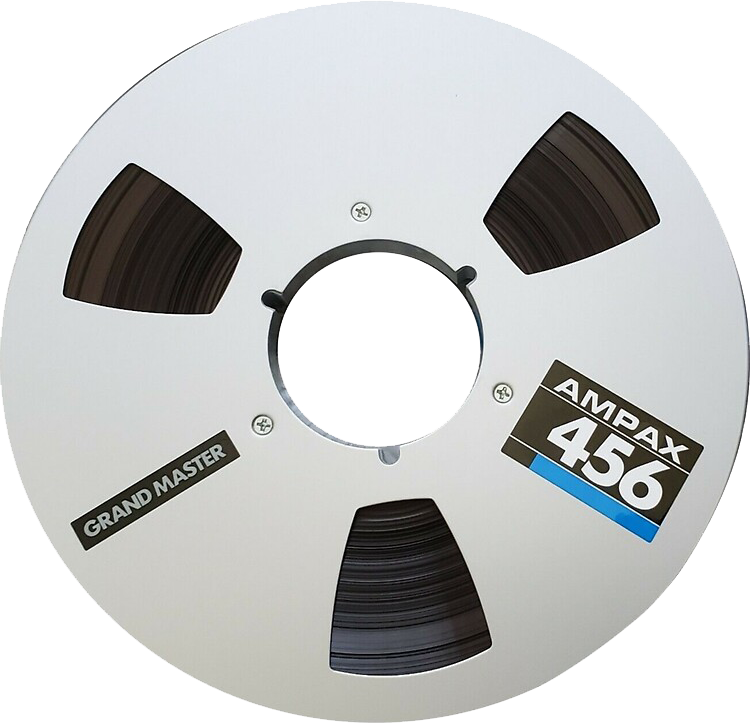
1/2” or 2” Reel to Reel Tape
If your tape is housed in metal reels, it could be one of many different varieties: measure the width of the tape (space between the metal reels, across the tape) to find out yours. Common widths are 1/4”, 1/2”, 1”, and 2”. Check the box (if it’s available) for other written recording notes such as speed or number of tracks.
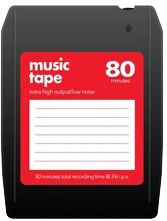
8 Track
Typically found in car stereo systems, 8 tracks were the go-to portable audio format before the advent of cassettes and CD’s.

Cassette
Commonly found in Normal (Type I), CrO2 (Type II), and Metal (Type IV) varieties, possibly with Dolby noise reduction
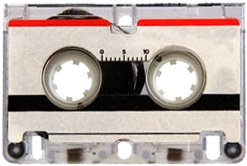
Microcassette
Usually found in portable recorders or answering machines, microcassettes are a low fidelity recording format on a tiny cassette about half the size of a credit card.
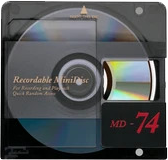
MiniDisc
An optical disc housed in a small plastic cassette, most often used with consumer recording devices in the 90’s.

VHS/ADAT
The ubiquitous media format used for video and audio by just about everybody. When labelled with “VHS”, it was most likely used for video recording. If it was marked with “ADAT”, it was most likely used for 8-track audio recordings.
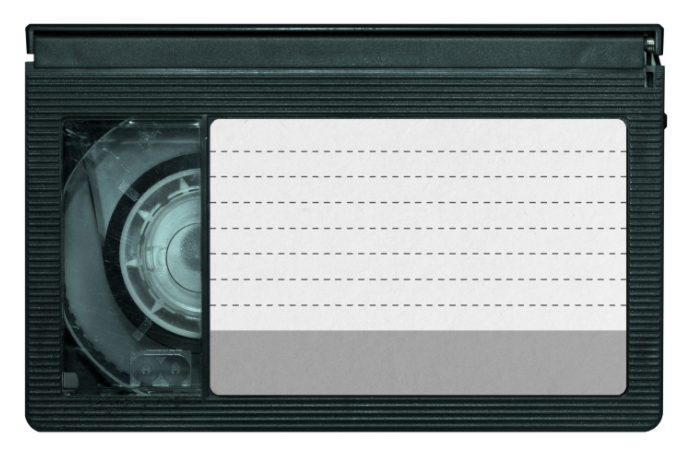
VHS-C
A more compact version of the VHS tape, commonly used in consumer camcorders
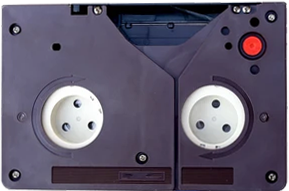
U-Matic
An early video tape format first introduced in the 70’s, U-Matic was most often used for television production.

DAT
Also known as Digital Audio Tape, DAT’s were usually used for professional stereo recordings.
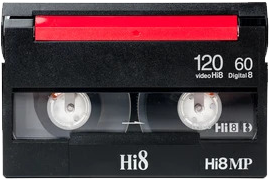
Video8/Hi8
A competitor to VHS, Video8 and Hi8 were commonly used with consumer camcorders.
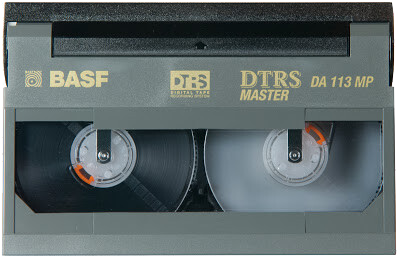
DTRS/DA88
Recorded on Hi8 cassettes, though usually labelled with DTRS, these tapes allowed for up to 8 recorded audio tracks.

MiniDV
An early digital video format, used in a wide variety of video cameras.